
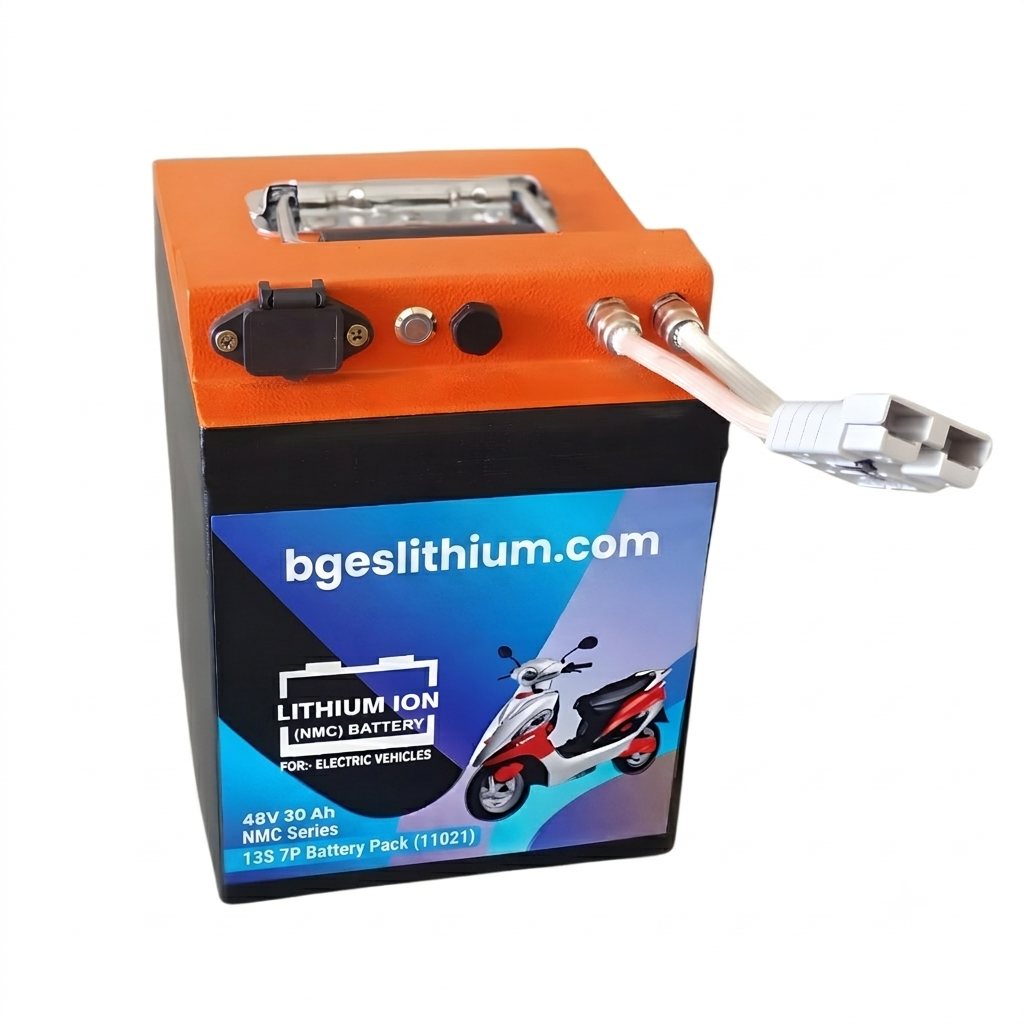
Technical Specifications
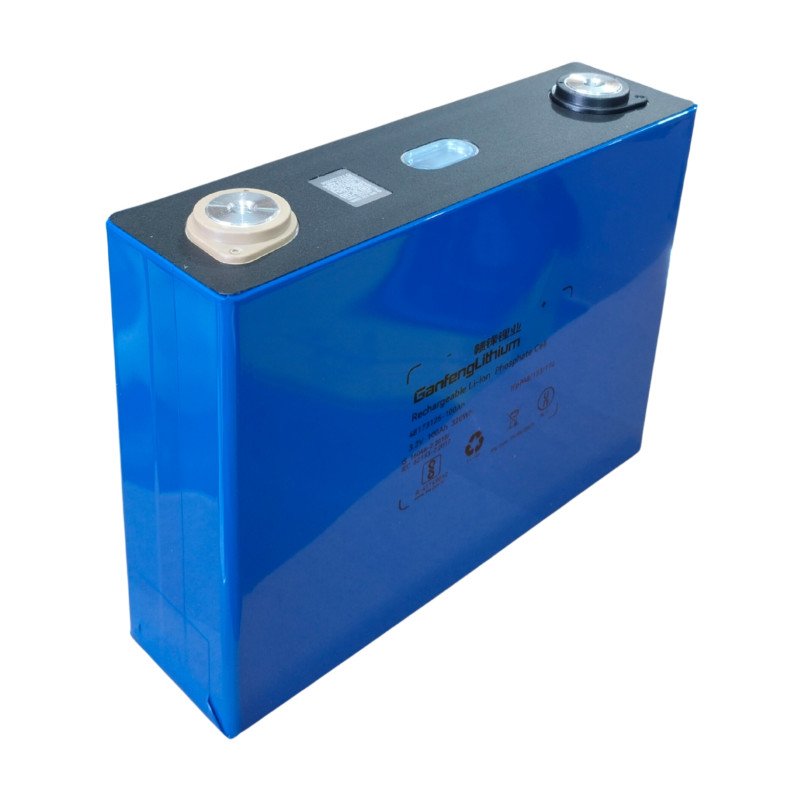
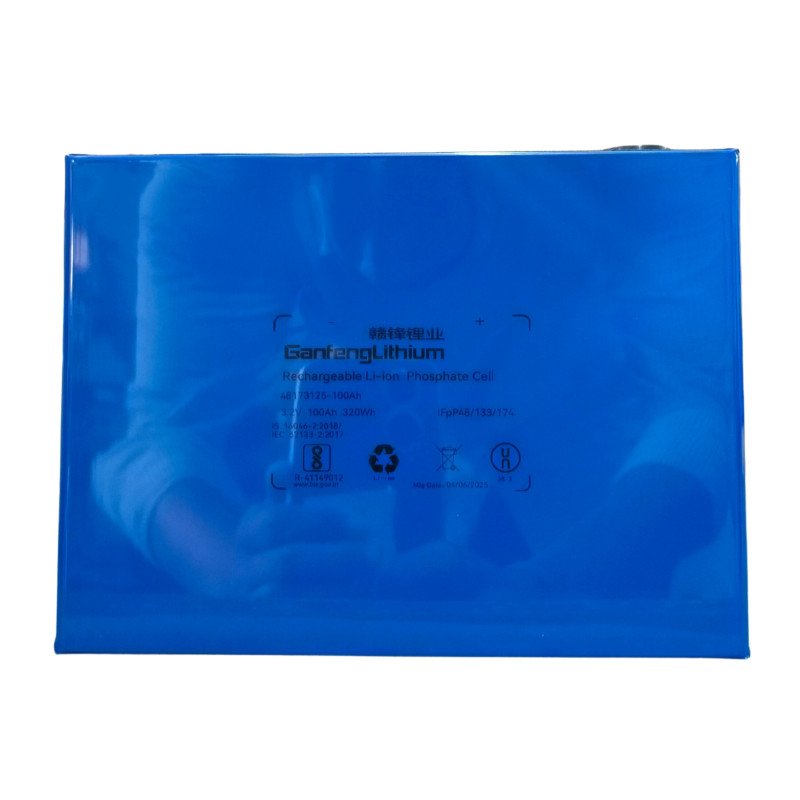
Chemistry: Lithium Iron Phosphate ($\text{LiFePO}_4$ or LFP), chosen for its exceptional safety profile, high cycle life, and thermal stability in stationary energy storage applications.
Nominal Voltage: 51.2V, which is the industry standard for "48V" nominal systems that utilize a 16S (16 cells in series) configuration (where each cell has a nominal voltage of 3.2V).
Rated Capacity: 100Ah (100 Amp-hours).
Total Energy Capacity: Approximately 5,120 Watt-hours (Wh) (or 5.12 kWh), providing a robust energy reservoir for residential or commercial power needs.
Key Features & Design
Energy Storage System (ESS) Optimization: Designed specifically for stationary energy storage, often featuring a modular, rack-mountable, or wall-mount form factor that allows for easy scaling by connecting multiple units in parallel to increase total capacity.
Integrated Smart BMS: Features a sophisticated Battery Management System (BMS) that provides critical monitoring and safety functions, including:
Real-time Cell Balancing: Ensures all 16 series cells are charged and discharged uniformly to maximize the system's longevity.
Comprehensive Protection: Automatic safety cutoffs for over-voltage, under-voltage, over-current, short circuits, and thermal runaway.
High Cycle Longevity: Engineered for extreme durability, typically supporting 4,000 to 6,000+ deep discharge cycles, which is essential for daily solar energy cycling.
Performance Advantages:
High Depth of Discharge (DoD): Can be discharged consistently to 80%–90% DoD without damaging the cells, unlike lead-acid batteries that degrade quickly with deep cycling.
High Efficiency: High round-trip energy efficiency (often >95%), ensuring that most of the energy stored from solar panels is available for use.
Primary Applications
Residential Solar Backup: Functions as the core energy storage unit for grid-tied or off-grid solar systems to power homes during peak demand or grid outages.
UPS & Critical Power: Provides reliable, instant backup power for data centers, telecommunications, and industrial control systems where consistent voltage is required.
Peak Shaving: Used by commercial facilities to store energy during off-peak hours and discharge it during peak tariff periods to lower electricity costs.
Related products
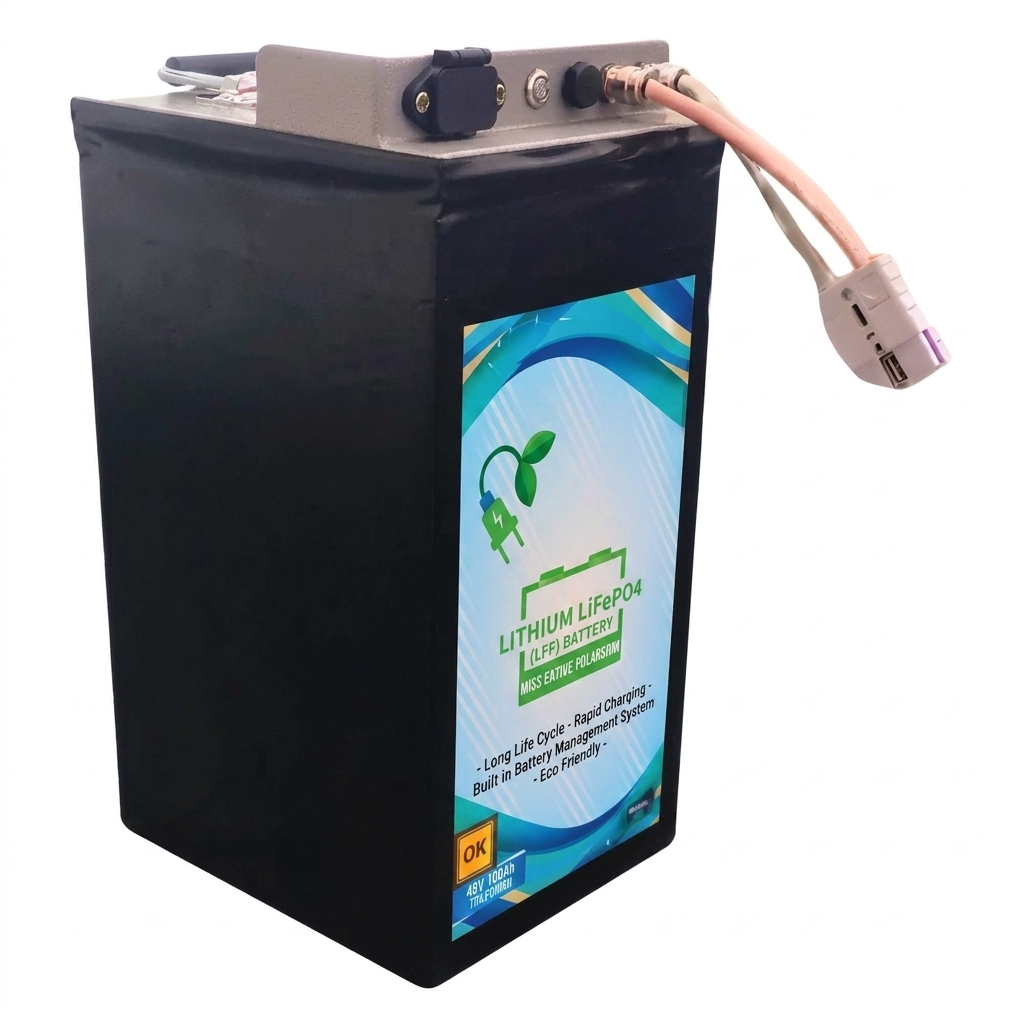
64V 30AMP LFP Battery Pack For E-Scooters (c258)
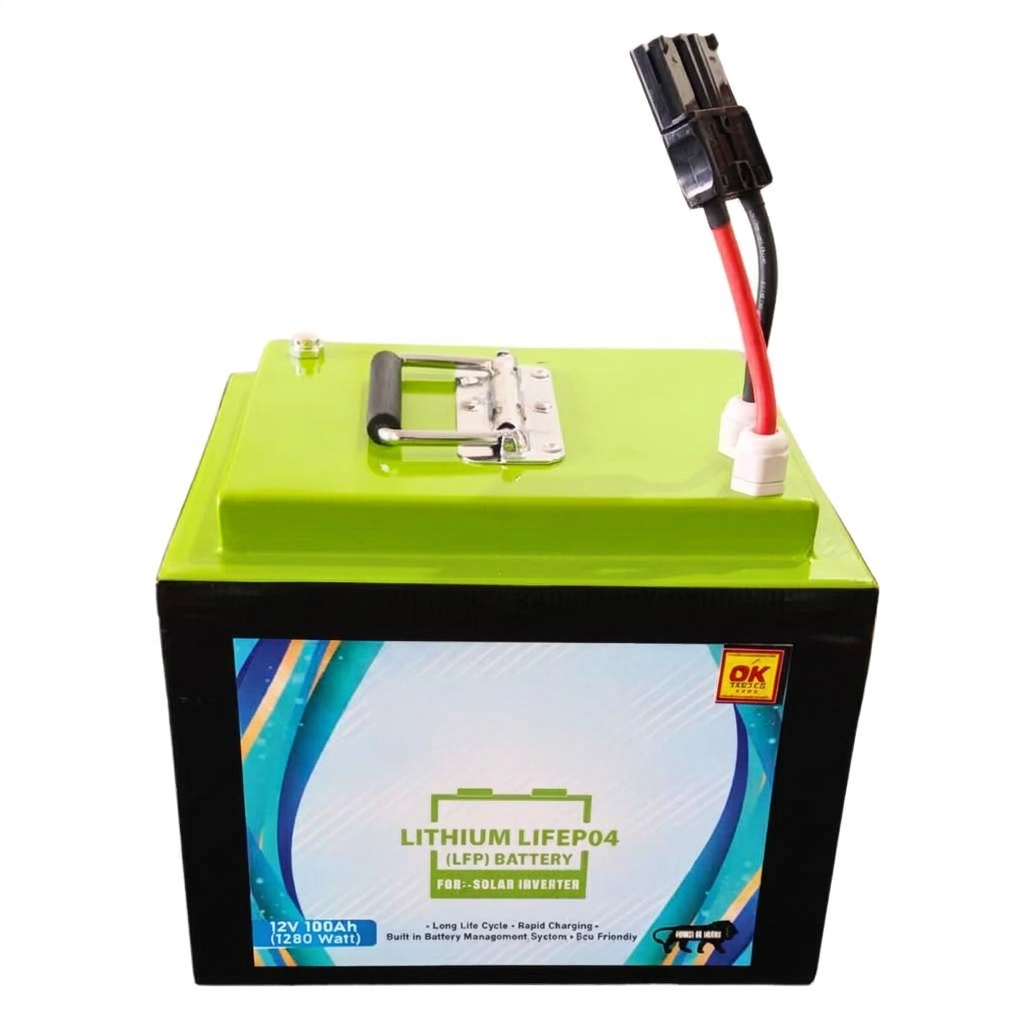
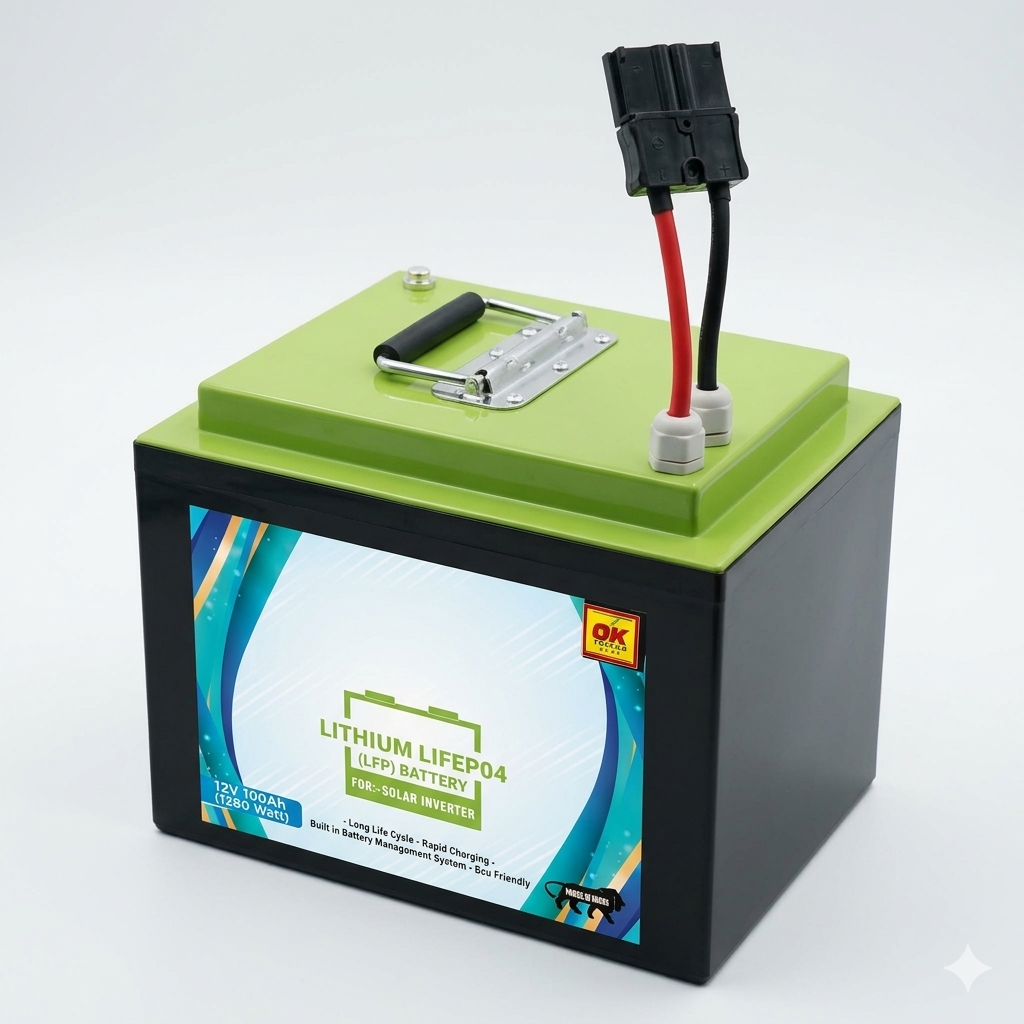
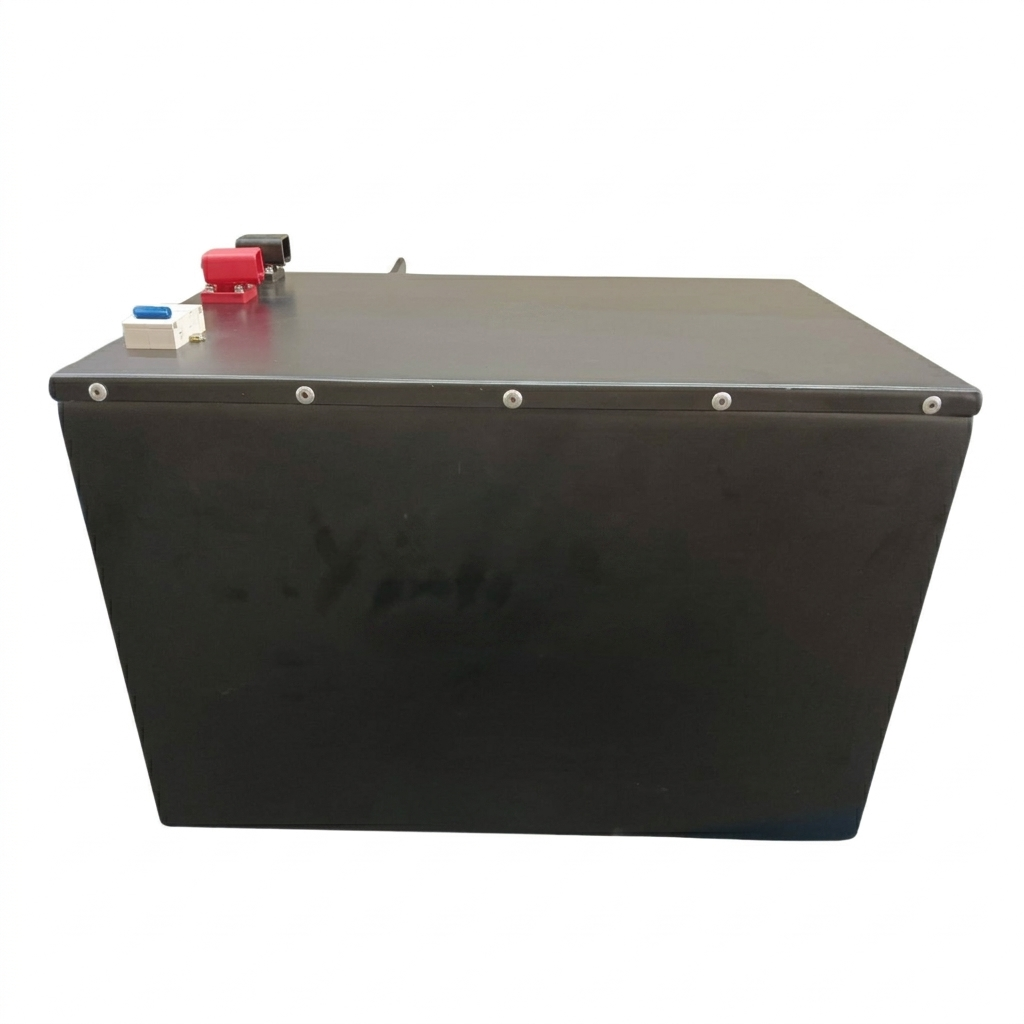
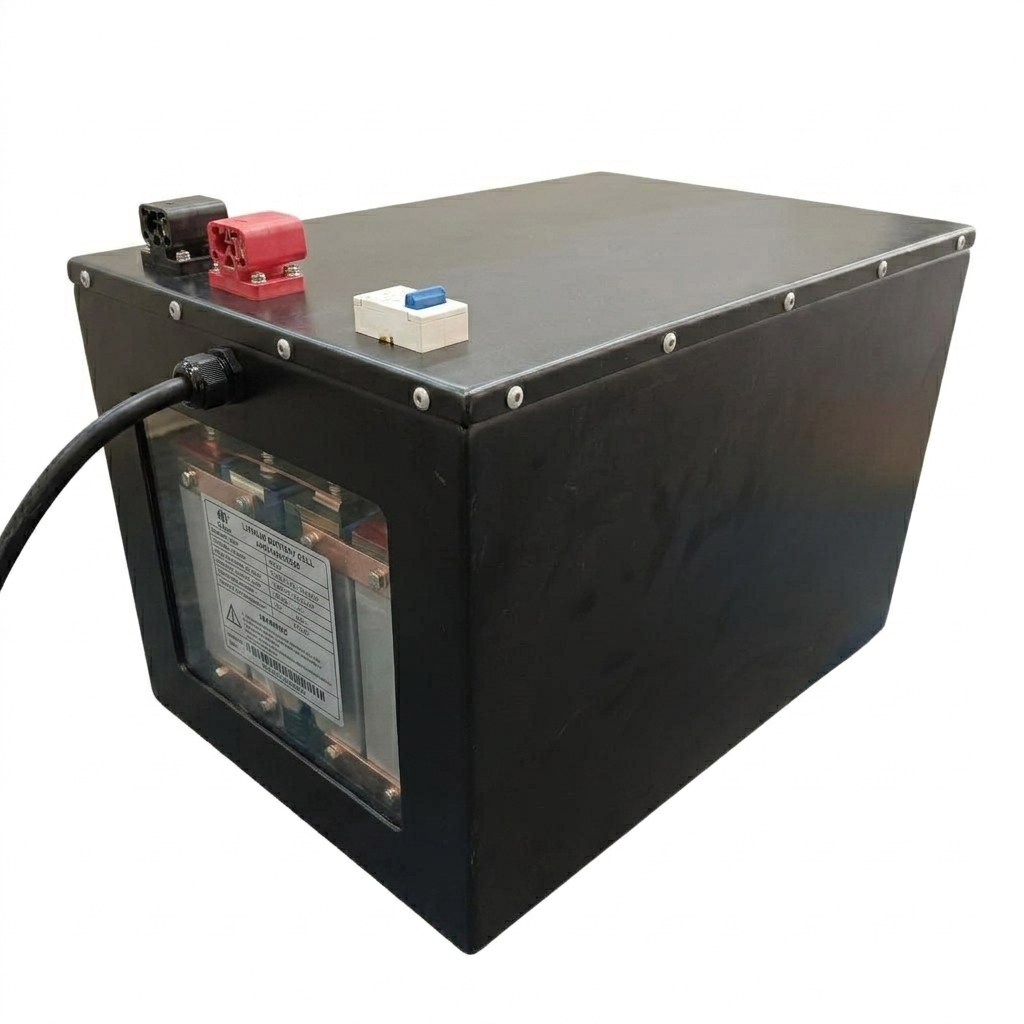
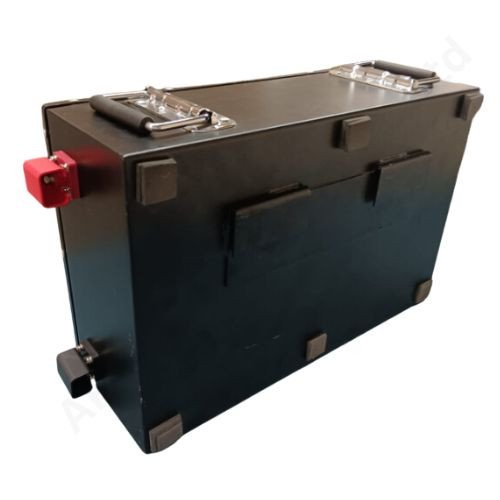
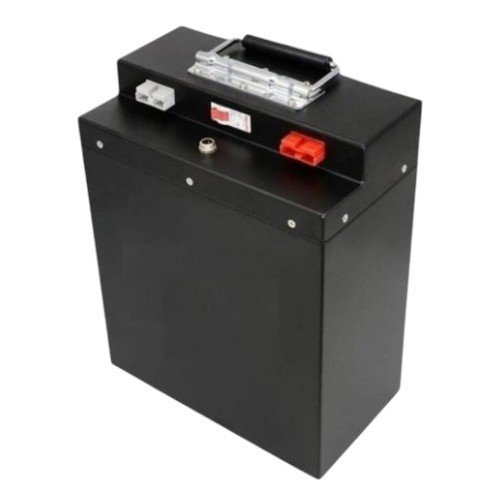
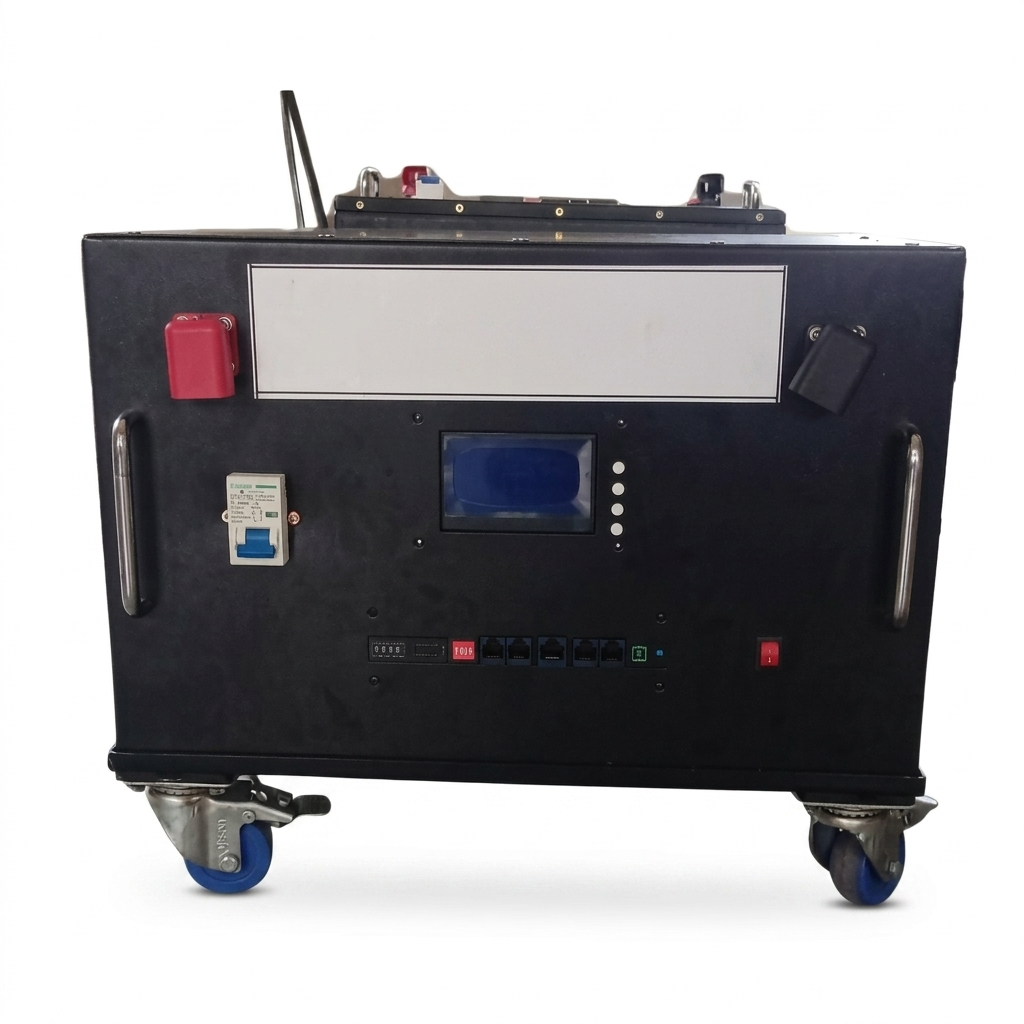
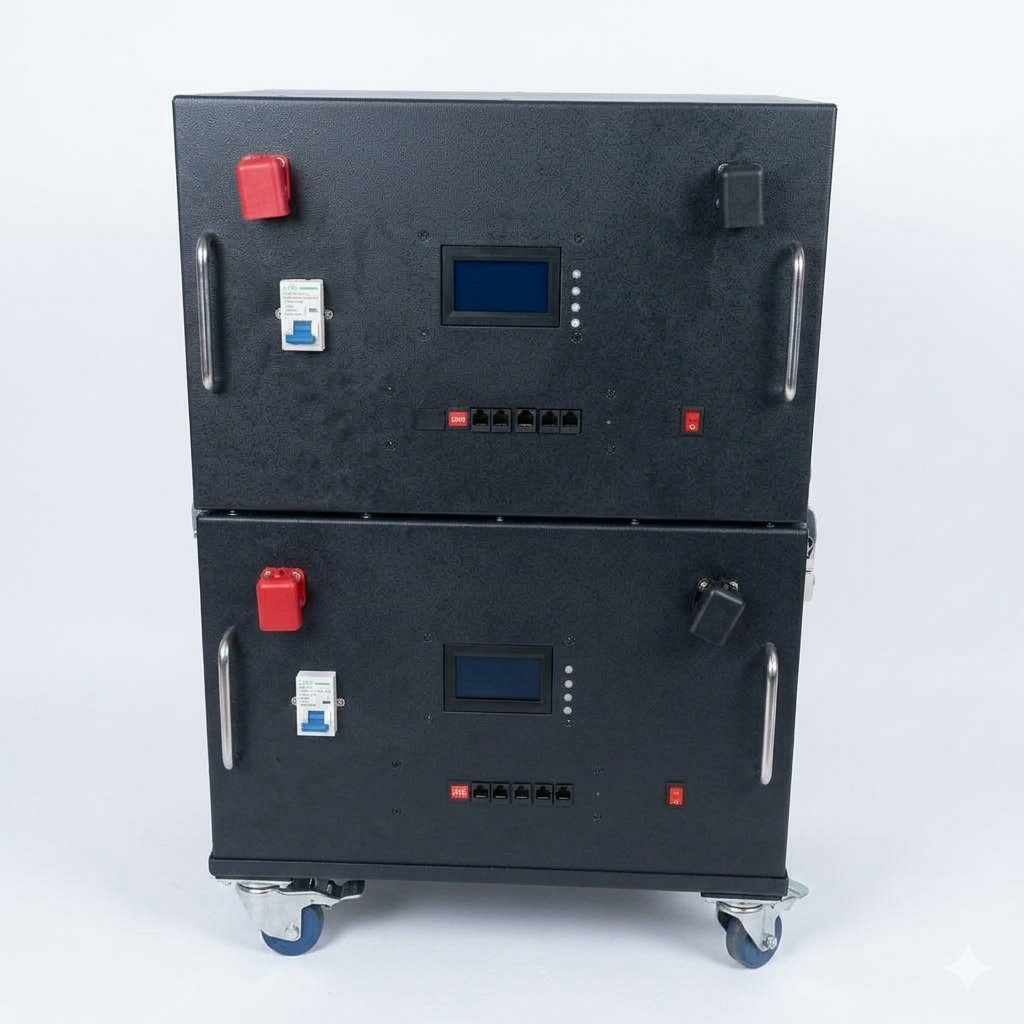
51V 100AH 16S Lithium Battery for ESS (7e55)
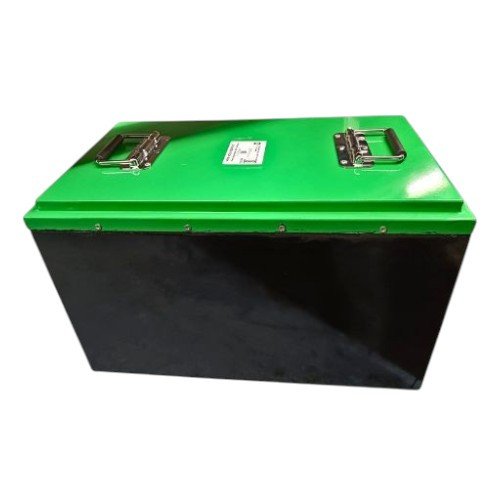
48V 100AH E-Rickshaw Battery (7ea1)
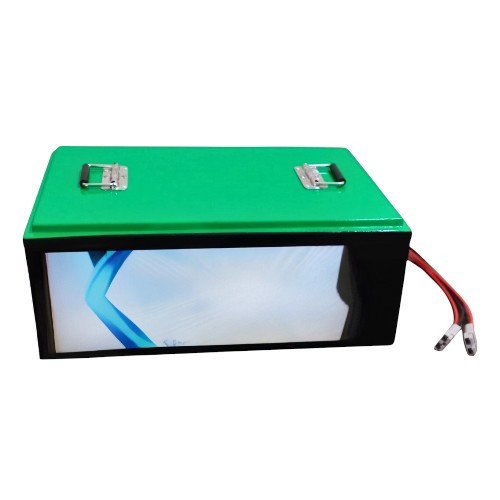
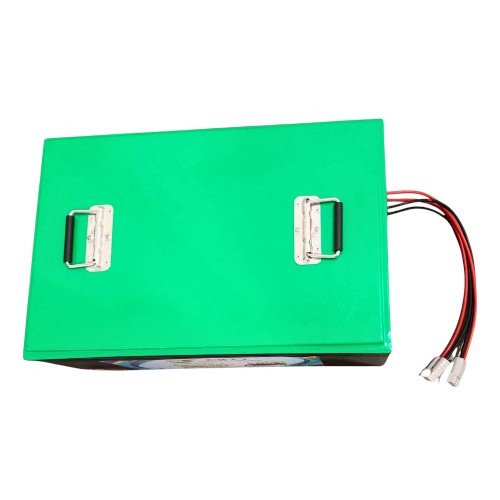
51.2V 100AH E-Rickshaw Battery (7edc)
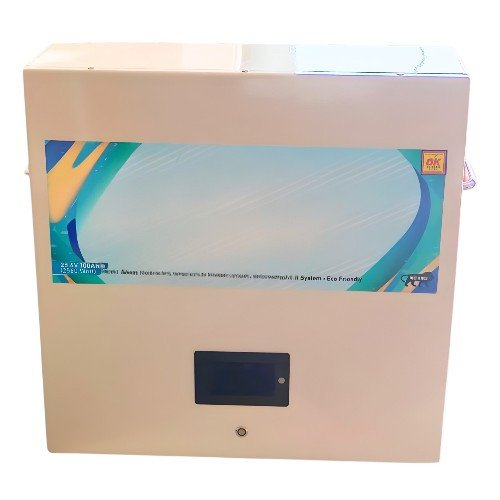
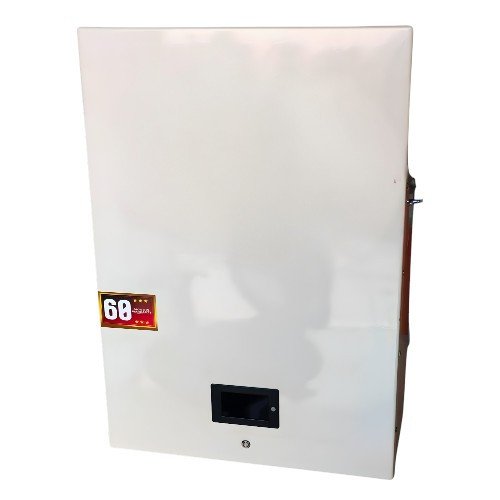
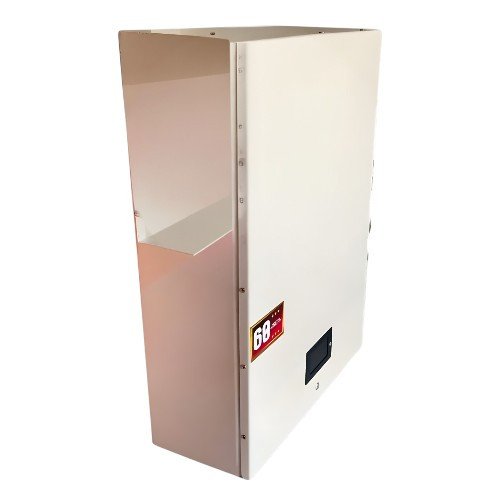
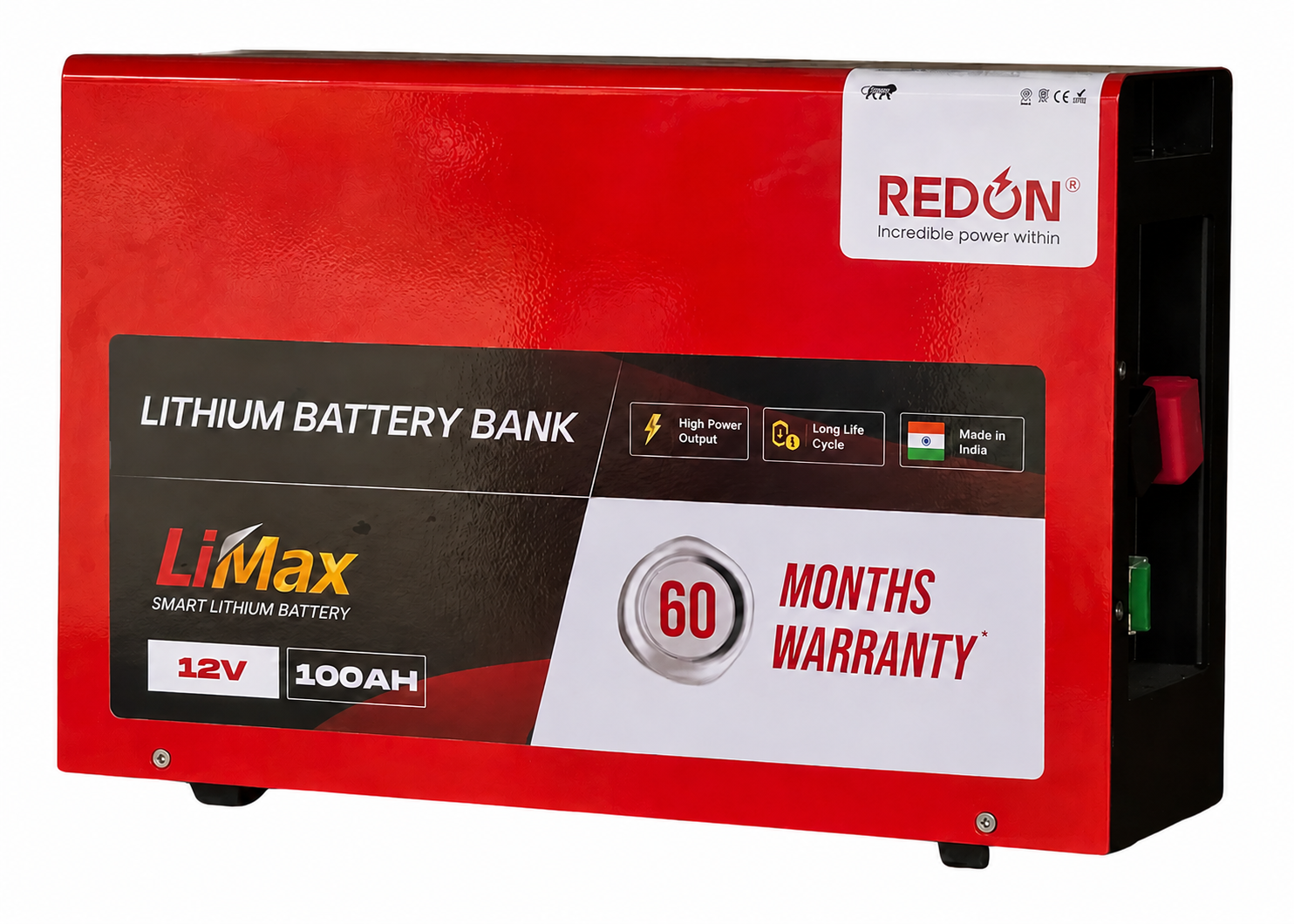

REDON LIMAX 12V 100AMP (112a2)
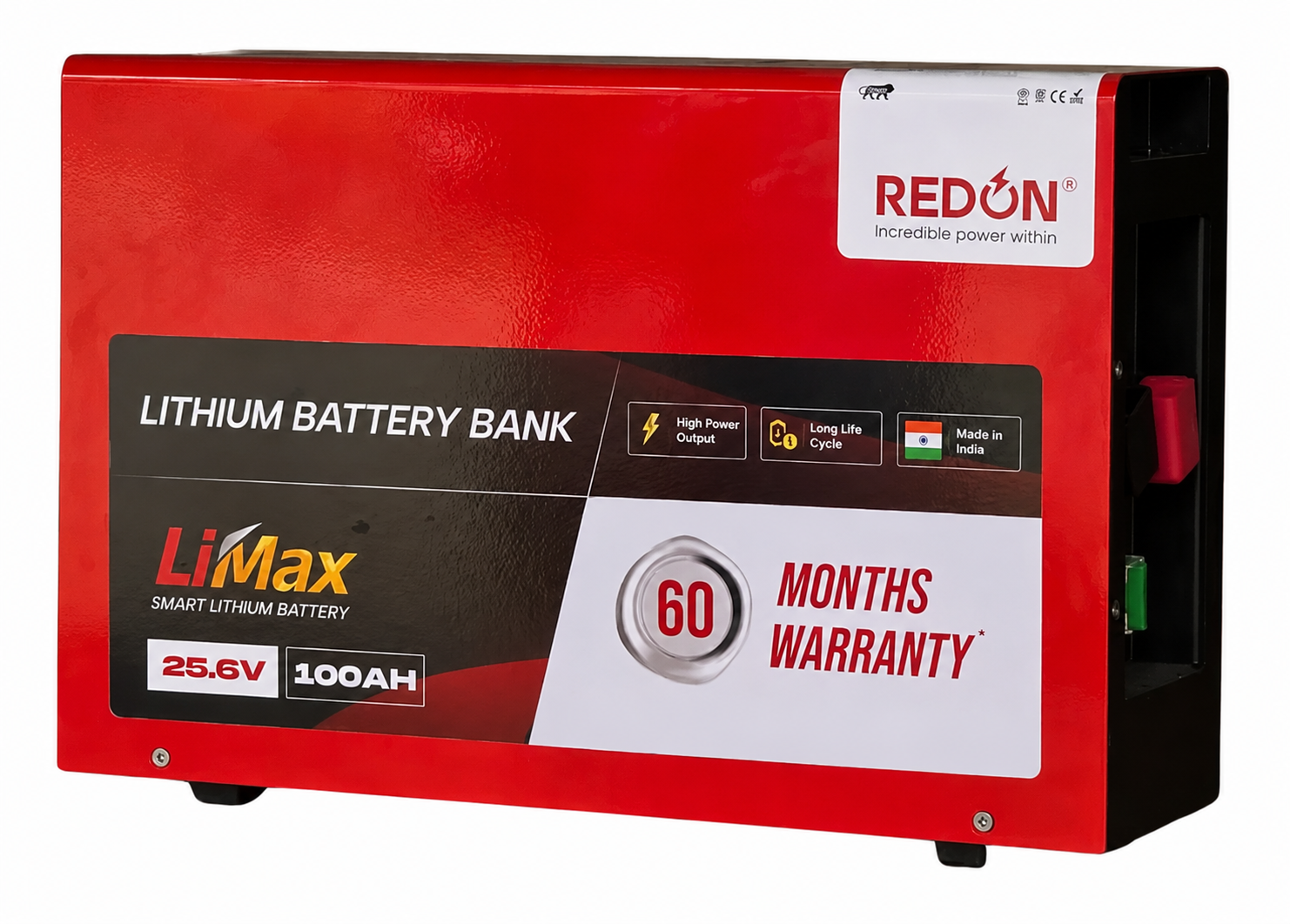
48V 100AH E-Rickshaw Battery (7ea1)
Frequently Bought Together
No frequently bought products found!
Products from this Seller
View All
LITHIUM-ION (LI-ION)
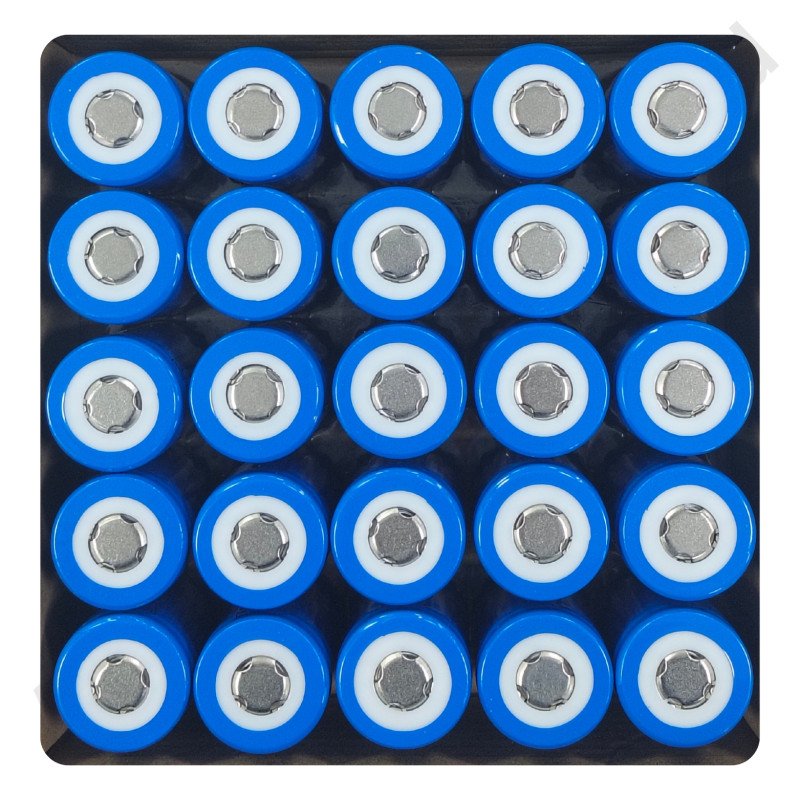
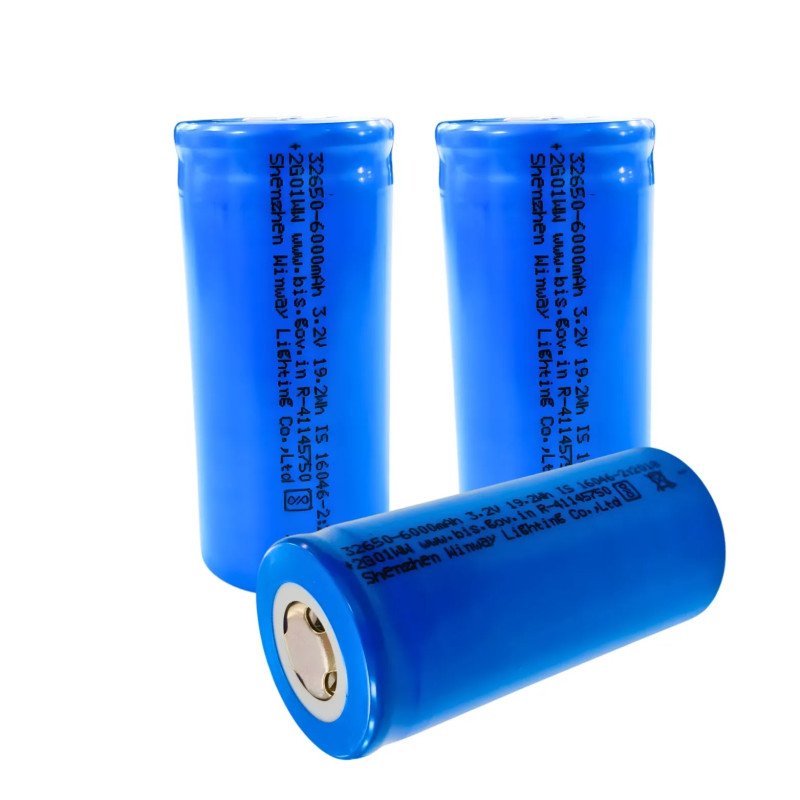
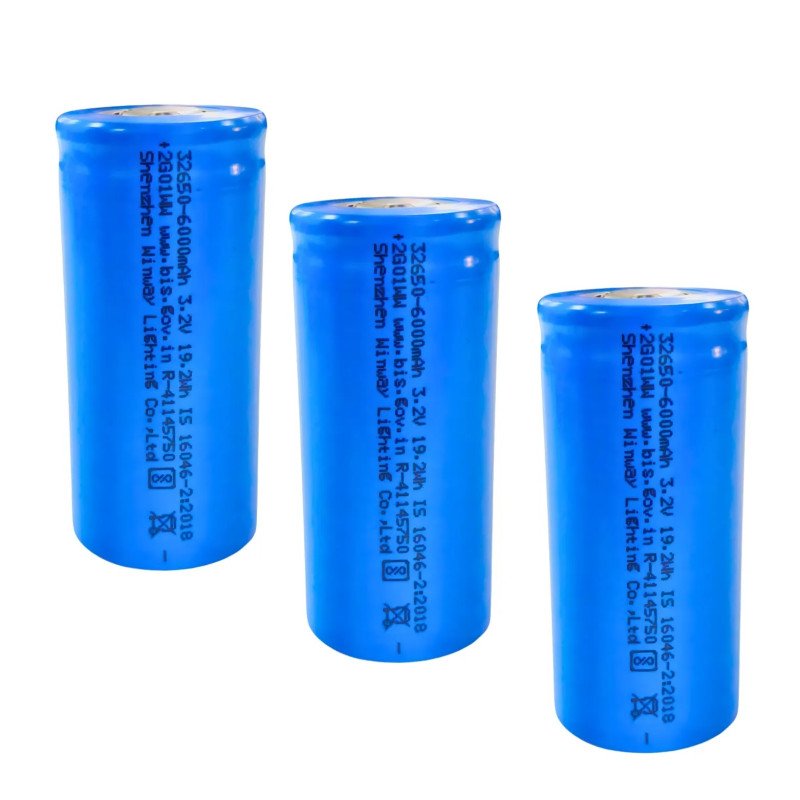
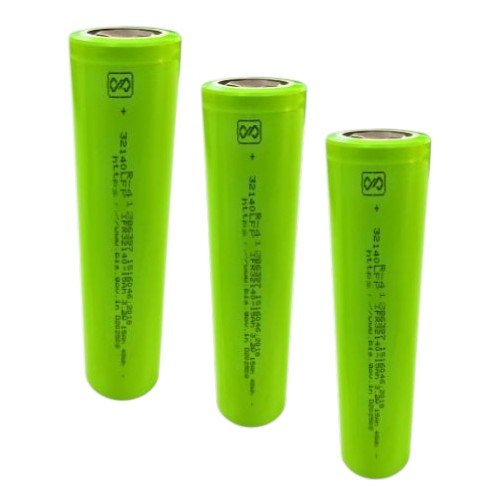
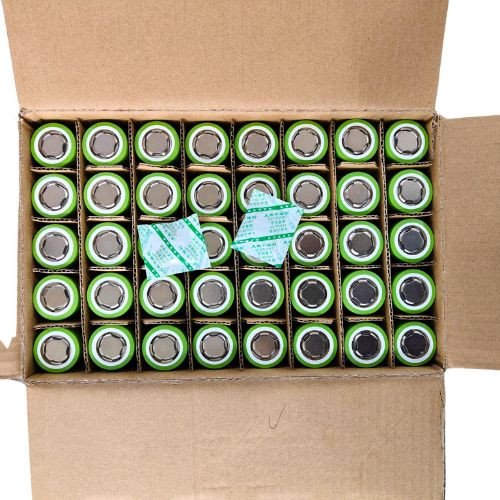
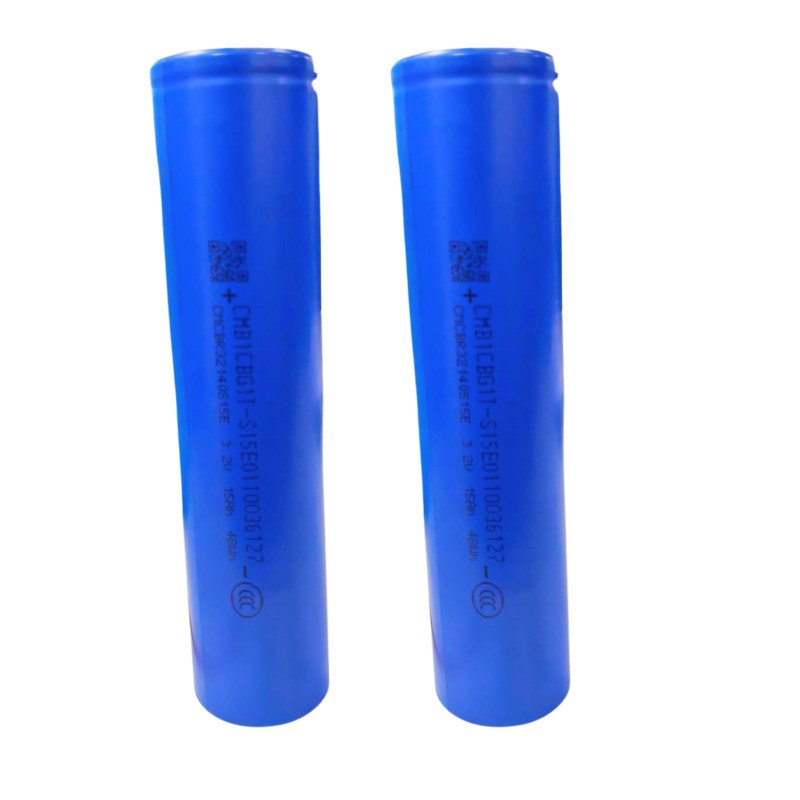
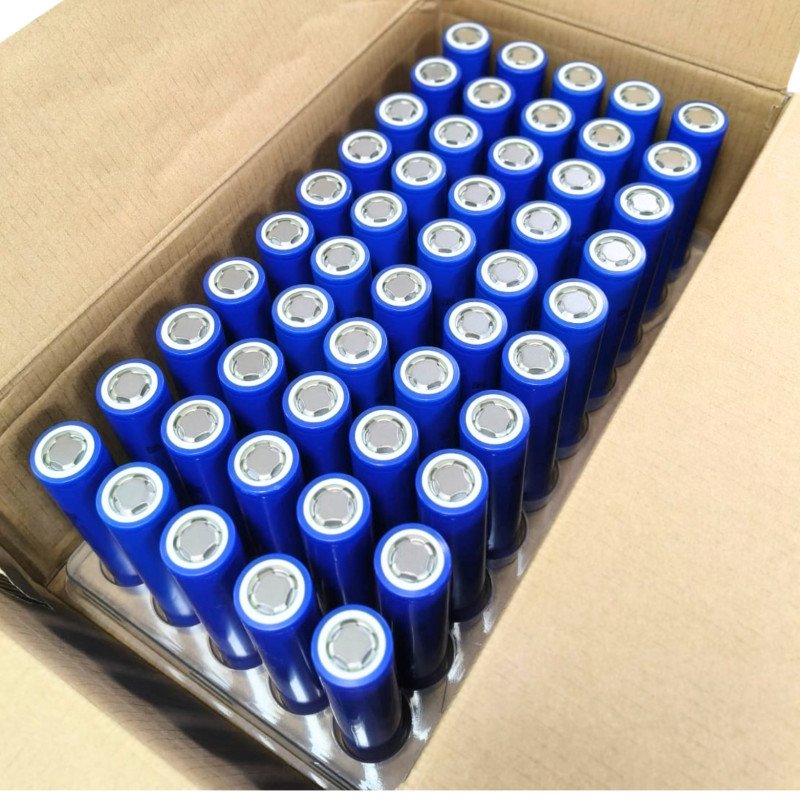
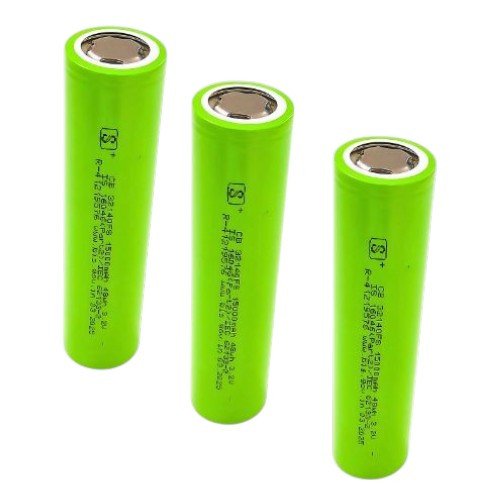
CELL 15 Ah CBAK 32140 (80b1)
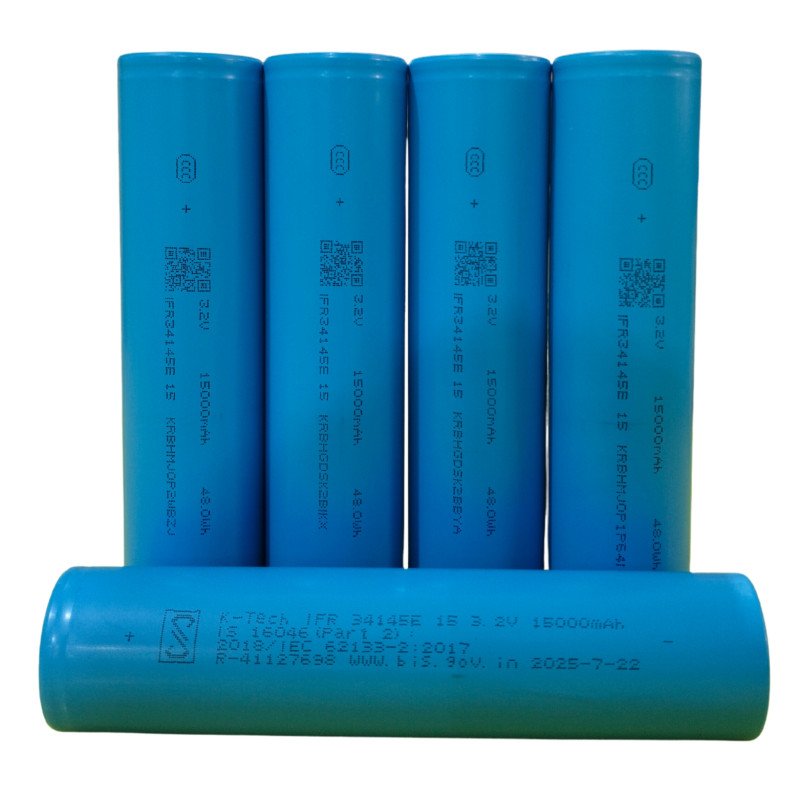
K-TECH CELL 15 Ah 34145 (80b5)
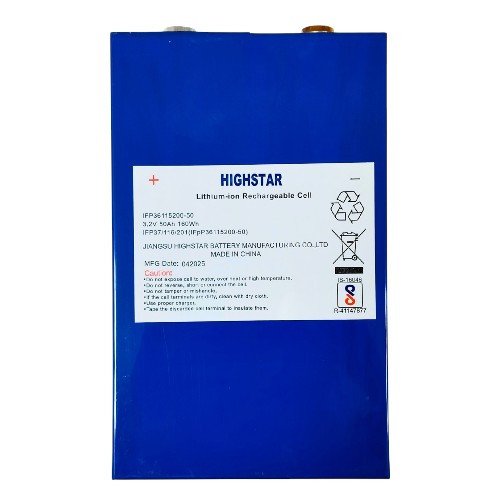
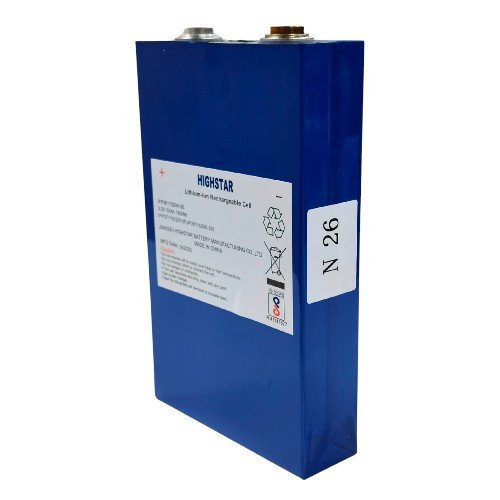
CELL HIGHSTAR LFP 50 Ah (10bc0)
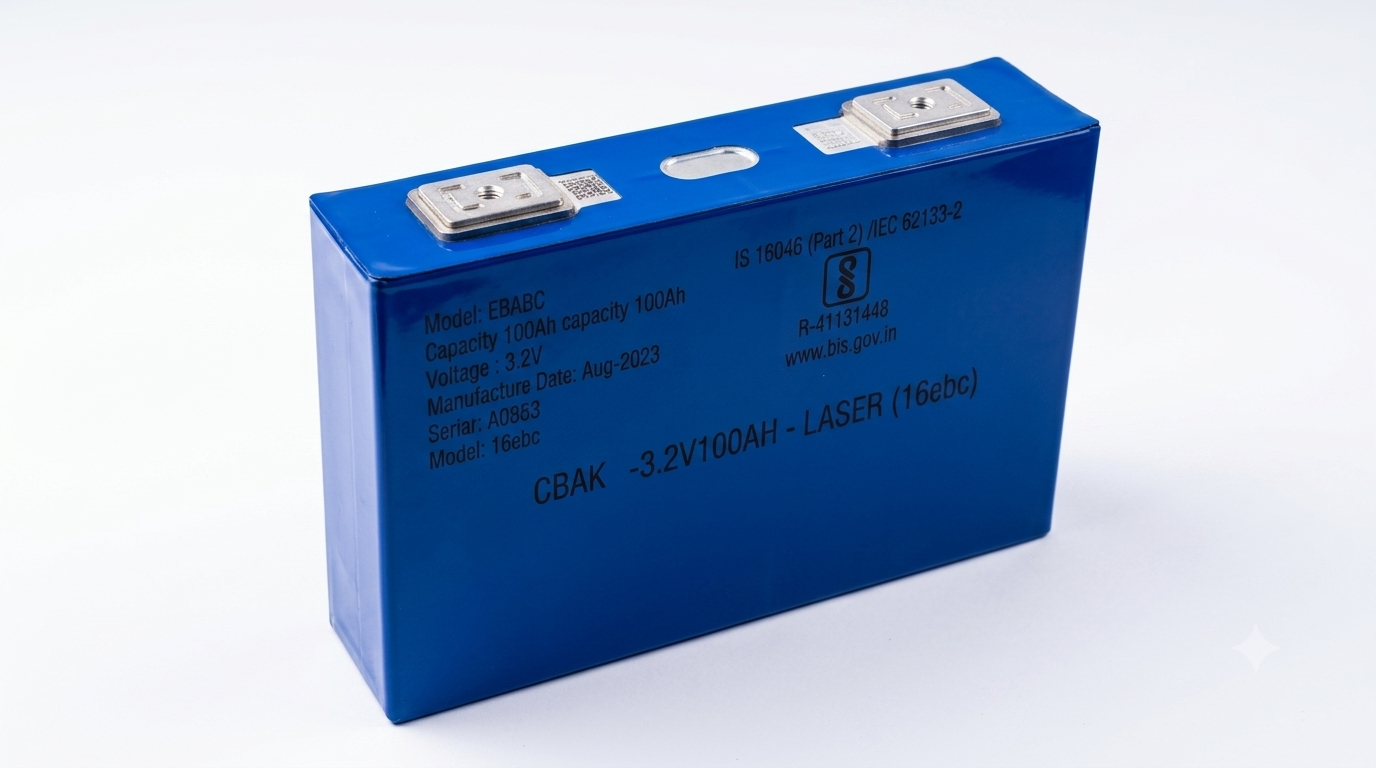


Share with Friends
Trading is more effective when you share products with friends!Share you link
Share to